
Climate
change
and the TDU
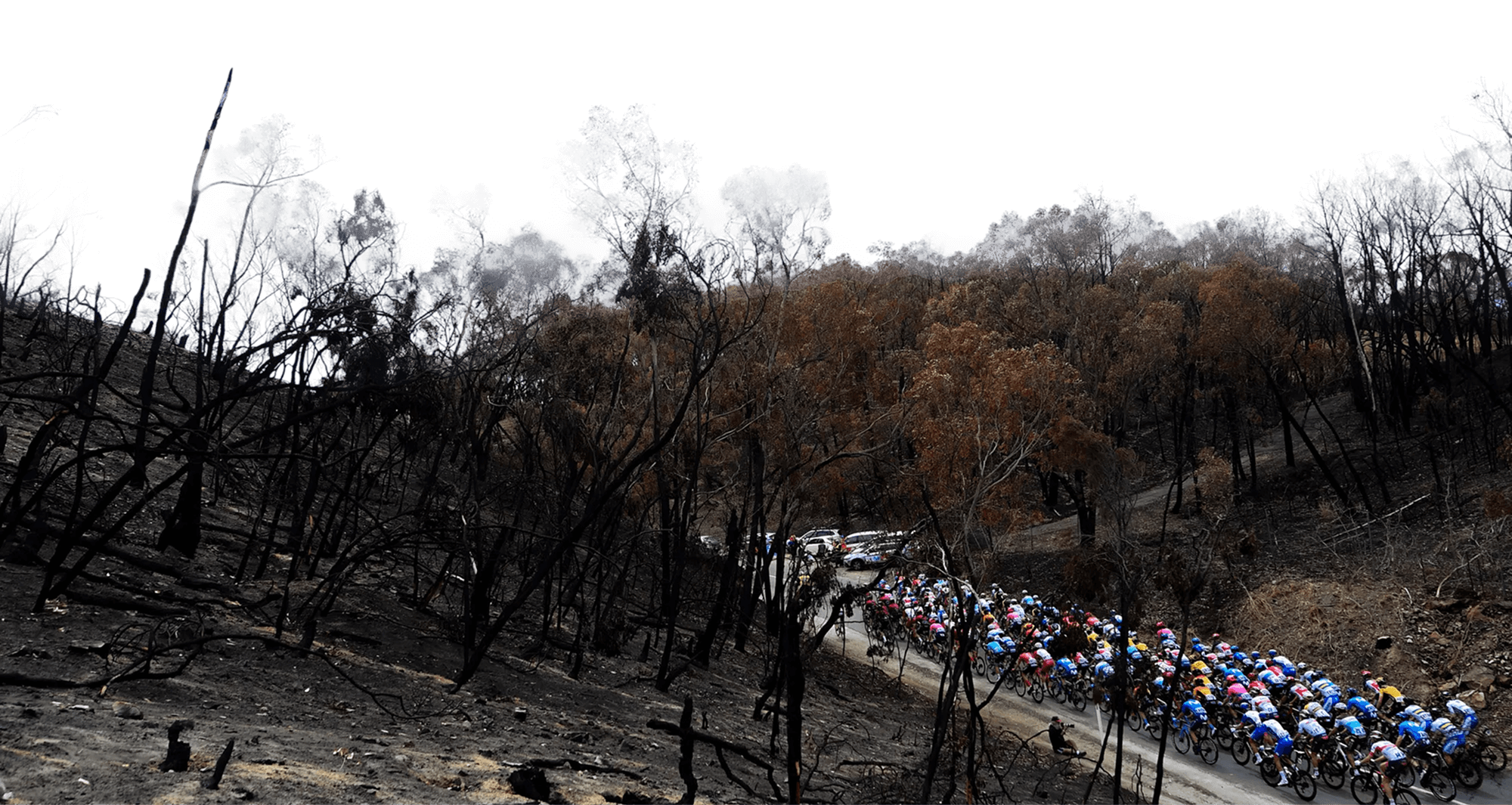
Rising temperatures and bushfires have repeatedly disrupted the Tour Down Under, impacting athlete health, forcing route changes and stage cancellations.


Extreme heat is a constant threat: Adelaide’s 2014 summer saw 13 days over 40°C. Since then, multiple stages have been shortened either before or during the race due to dangerous temperatures — including in 2017, 2018, and 2019. Organisers have redesigned stages to allow for loops that can be cut short, and to ensure fire access routes.
Bushfire impacts became stark in 2020, when riders passed through scorched landscapes. Winner Sam Bennett described scenes “like something out of a film about the end of the world.”
In 2024, oppressive heat disrupted the race again, most notably when it contributed to Jayco AlULa’s Caleb Ewan withdrawing from the Down Under Classic criterium.
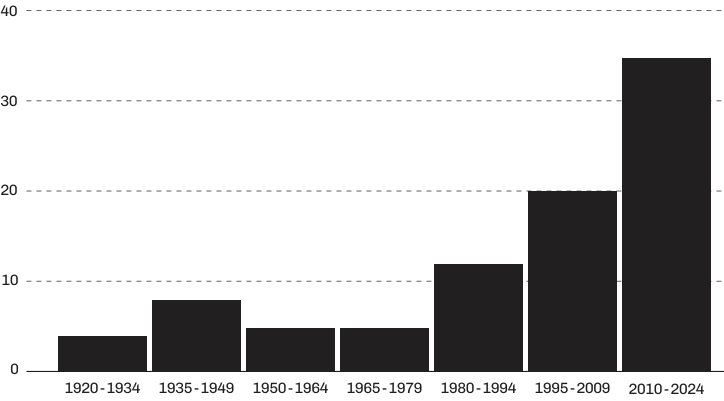
Over the past century, Adelaide has seen a clear increase in the number of extreme heat days (40C and above)
Adelaide ACORN-SAT data from the Bureau of Meteorology
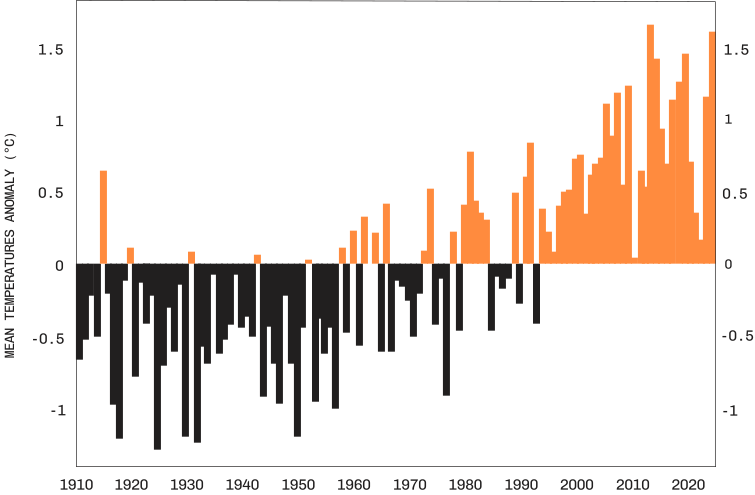
Annual mean temperature anomaly South Australia (1910 to 2024)
(Adelaide ACORN-SAT station data used for all years up to 2024. ADELAIDE AIRPORT M.o. weather station data used to calculate 2025 stages in heat as ACORN-SAT data is not yet available.)
Tour Down Under stages in heat:
68 men’s & 17 women’s

8 men’s & 1 women’s

These patterns show that climate extremes are not a future threat but a present reality for one of Australia’s premier sporting events, even as it continues to bear the name and sponsorship of fossil fuel giant Santos.
.png)